

Editorial Platform — Informational content only. No services, no sales, no deliveries. Read full notice
+420 708 279 893OstravaMon-Fri 09:00 - 18:00
Expert Guidance

Blood Sugar Insights

Discover evidence-based articles on balanced nutrition, stable blood sugar levels, and sustainable eating habits for optimal energy and health.

Medical Disclaimer

The information on this site is for educational purposes only and does not constitute medical advice. Always consult a qualified healthcare professional before making health decisions.

Featured Insight

Understanding glycemic index and load
Nutrition Basics

Understanding Glycemic Index and Load

The glycemic index (GI) and glycemic load (GL) are two critical tools for understanding how different foods affect your blood sugar levels. Learn how to decode food labels, choose low-GI carbohydrates, and build meals that keep your energy stable throughout the day. This comprehensive guide explores the science behind these concepts and provides practical strategies for incorporating them into your daily eating patterns.

Read Full Article

More Insights

Protein timing and blood sugar stability
Meal Planning

Protein Timing and Blood Sugar Stability

Discover how to use protein strategically throughout your day to moderate blood sugar swings. This article explores the relationship between amino acids, glucagon signaling, and sustained energy levels, with practical meal timing recommendations for different lifestyle scenarios.

Learn More

Fiber types and glucose absorption
Nutrition Basics

Fiber Types and Glucose Absorption

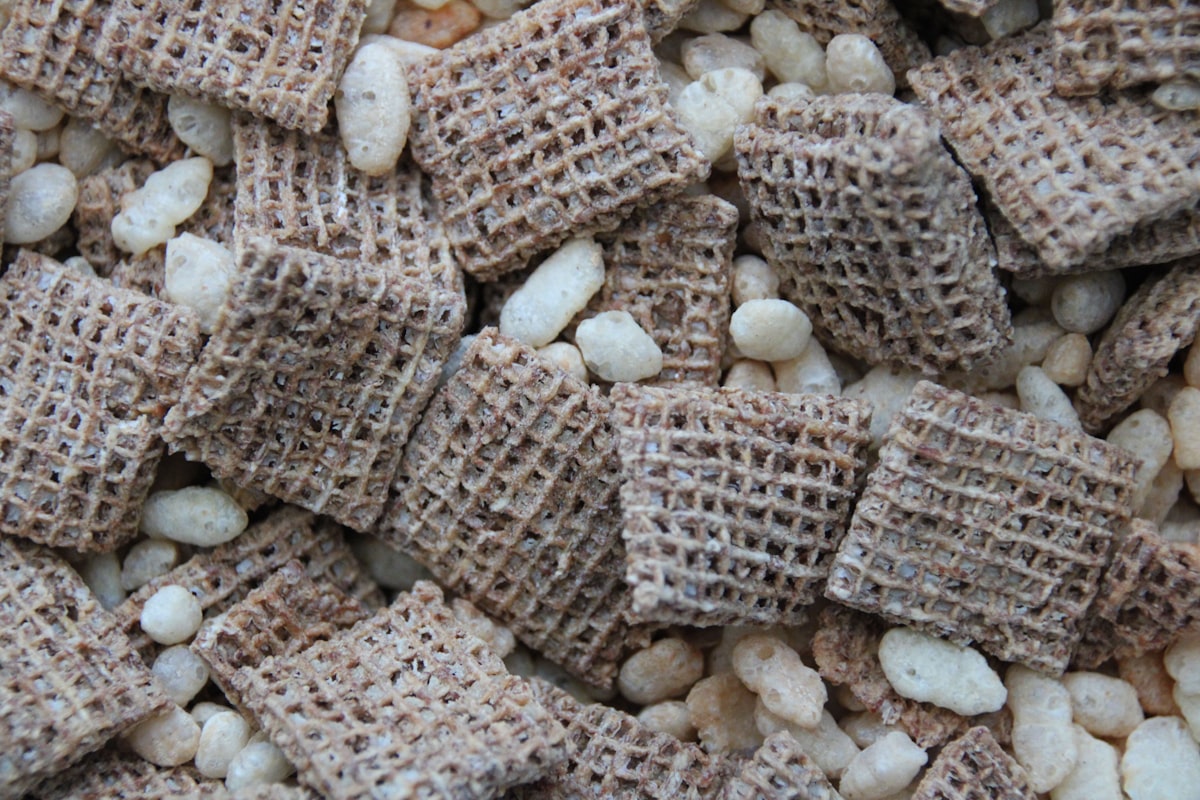
Soluble and insoluble fibers play distinct roles in regulating blood sugar. Learn how to incorporate different fiber sources into your meals, understand the science of resistant starch, and explore whole food options that support stable glucose levels without compromising digestive health.

Learn More
Meal sequencing for optimal glucose response
Meal Planning

Meal Sequencing for Optimal Glucose Response

The order in which you eat different food components matters. Recent research shows that consuming vegetables and protein before carbohydrates can significantly reduce glucose spikes. Explore the science of meal sequencing and practical strategies for restructuring your plate composition at every meal.

Learn More
Hydration and blood sugar regulation
Lifestyle

Hydration and Blood Sugar Regulation

Water intake affects how your body processes glucose and maintains stable energy levels. This article examines the relationship between hydration, kidney function, and blood sugar control, plus practical recommendations for optimal daily fluid intake based on activity level and individual needs.

Learn More
Spices and herbs that support metabolic health
Nutrition Basics

Spices and Herbs That Support Metabolic Health

Cinnamon, turmeric, fenugreek, and other culinary herbs contain bioactive compounds that may support healthy glucose metabolism. Discover the research behind these traditional ingredients, learn how to use them in everyday cooking, and explore evidence-based dosages that go beyond simple seasoning.

Learn More
Sleep quality and daytime glucose control
Lifestyle

Sleep Quality and Daytime Glucose Control

Poor sleep disrupts hormonal regulation and increases insulin resistance. Learn how circadian rhythm influences your body's glucose handling, discover sleep hygiene practices backed by research, and understand the bidirectional relationship between sleep and metabolic stability.

Learn More
Physical activity timing and metabolic response
Lifestyle

Physical Activity Timing and Metabolic Response

When you exercise relative to meals affects how your muscles utilize glucose. Explore the science of post-meal movement, the benefits of resistance training for glucose uptake, and practical strategies for integrating activity into your daily routine to support stable energy and metabolic health.

Learn More
Stress management and cortisol's role in glucose handling
Lifestyle

Stress Management and Cortisol's Role

Chronic stress elevates cortisol, which can impair glucose regulation and increase cravings for energy-dense foods. This article explores the stress-blood sugar connection, examines evidence-based stress reduction techniques, and provides actionable strategies for creating a calmer nervous system environment that supports metabolic health.

Learn More

Stay Updated with Our Latest Articles

Get new insights on balanced nutrition and blood sugar management delivered to your inbox.

We respect your privacy. Unsubscribe anytime.

Frequently Asked Questions

What is a balanced meal for blood sugar?

A balanced meal combines lean protein, healthy fats, complex carbohydrates, and fiber. The ideal ratio varies by individual, but generally includes a palm-sized portion of protein, a thumb-sized portion of fat, a fist-sized portion of whole grains, and at least two servings of non-starchy vegetables. This combination slows glucose absorption and maintains steady energy.

How long does it take to notice improved energy?

Most people report noticing reduced afternoon energy crashes within 3-5 days of implementing balanced meal patterns. More significant improvements in energy consistency, mental clarity, and appetite regulation typically develop over 2-4 weeks as your body adapts to stable glucose levels. Individual response times vary based on previous eating habits and overall lifestyle factors.

Can I eat carbohydrates on a blood sugar-friendly diet?

Absolutely. The goal is not to eliminate carbohydrates but to choose wisely and eat them strategically. Whole grains, legumes, sweet potatoes, and other complex carbohydrates are nutritious and can be part of every meal when combined with protein, fat, and fiber. The key is choosing lower glycemic index options and considering meal sequencing to minimize glucose spikes.

What snacks support stable blood sugar?

The best snacks combine protein and healthy fats with minimal refined carbohydrates. Examples include nuts with fruit, Greek yogurt with berries, cheese with vegetables, hard-boiled eggs, or nut butter with apple slices. Avoid snacks made from refined grains or added sugars, which cause rapid glucose spikes followed by energy crashes that often trigger further cravings.

How does meal planning help with consistency?

Planning meals in advance removes decision fatigue and prevents impulsive choices when hungry. By preparing balanced meals and snacks ahead of time, you ensure consistent nutrient intake and glucose management throughout the week. Meal planning also supports grocery efficiency, reduces food waste, and makes it easier to maintain healthy patterns even during busy periods.

Are there foods to completely avoid?

Rather than thinking in terms of "forbidden" foods, focus on frequency and portion. Highly processed foods with added sugars and refined grains cause steep glucose spikes and are best reserved for occasional consumption. The same principles apply to sugary beverages, baked goods made with white flour, and candy. A flexible approach that emphasizes whole foods most of the time allows for balanced choices overall.

Editorial Standards

All articles on Bloodfocus Nutrition Hub are created by our editorial team and reviewed for accuracy and clarity. We draw on published research, expert knowledge, and practical experience to provide reliable information about nutrition and metabolic health. Our goal is to educate and empower readers to make informed choices about their eating habits and lifestyle.

For questions about specific articles or content feedback, please reach out to our editorial team. To learn more about our approach, visit our About Us page.

This site provides educational content only. We do NOT offer medical consultations, sale of products, deliveries, or refund policies. For medical advice, consult a licensed professional.